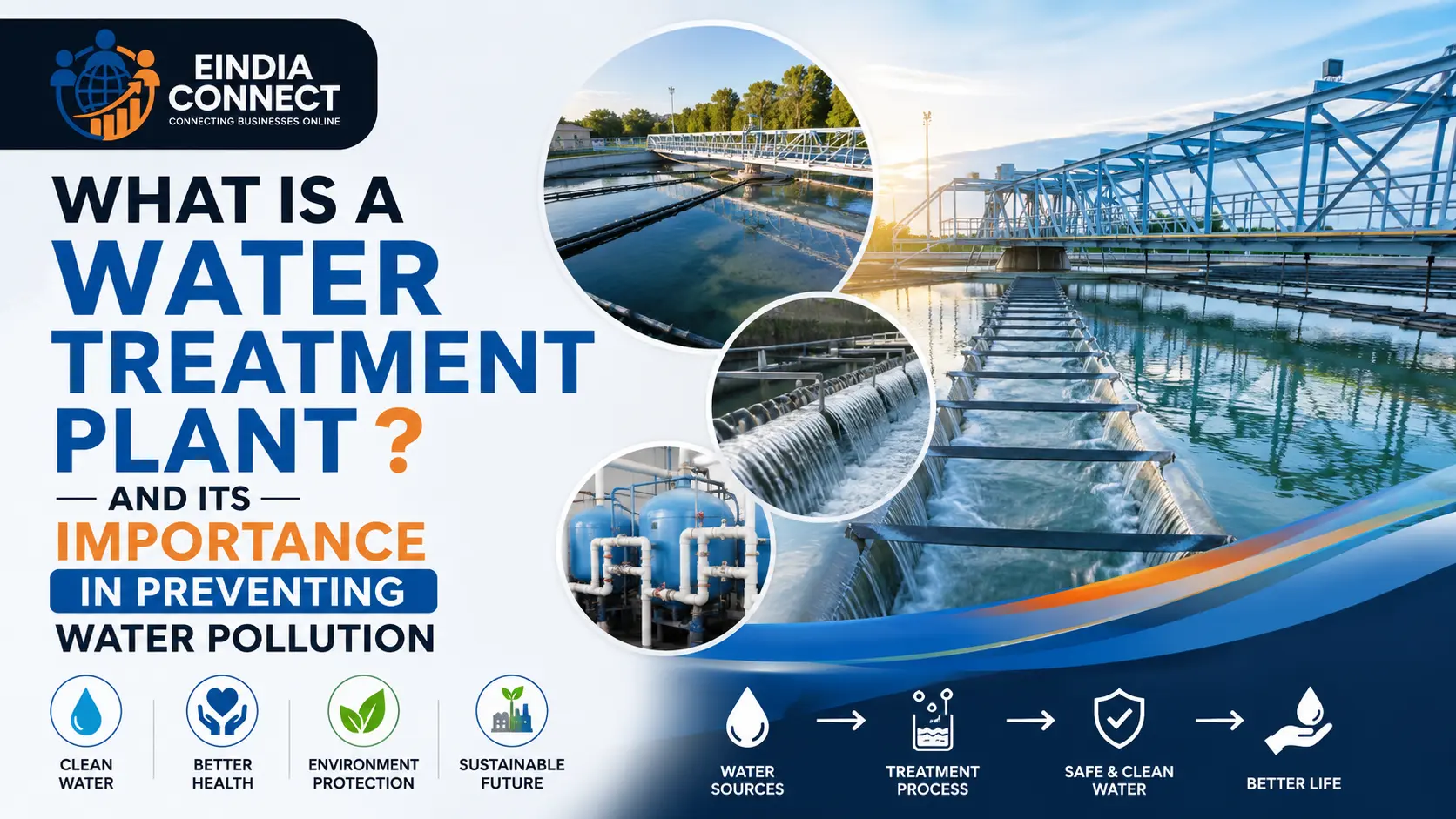
What is a Water Treatment Plant and Its Importance in Preventing Water Pollution
Water is one of the most valuable natural resources available on earth, but it is being increasingly polluted through different industries, commercial ventures, and even at home level. With urbanization and industrialization becoming bigger trends, there has been a growing need for clean and pure water supply. This is where the role of a Water Treatment Plant becomes very important. It is important whether it is the treatment of water before its consumption or the treatment of effluents before their release into the surroundings.
In this blog, we will discuss what is WTP, the WTP full form, the WWTP full form, how water treatment plants work, and why they are vital in preventing water pollution.
WTP Full Form and Meaning
The WTP full form is Water Treatment Plant. A Water Treatment Plant is a facility designed to remove impurities, contaminants, and harmful substances from water to make it suitable for drinking, industrial use, or other applications.
Many people search for what is WTP when looking to understand how water is purified before reaching homes, businesses, and industries. A water treatment plant uses various physical, chemical, and biological processes to improve water quality and ensure it meets safety standards.
Similarly, the WTP plant full form is also Water Treatment Plant, a term commonly used in municipal water supply projects, industrial facilities, and infrastructure developments.
What is a Water Treatment Plant?
A Water Treatment Plant is a system that processes raw water from sources such as rivers, lakes, reservoirs, borewells, and other water bodies. The treatment process removes suspended solids, harmful microorganisms, chemicals, and other pollutants that may affect water quality.
The primary objective of a Water Treatment Plant is to provide clean, safe, and usable water while protecting human health and supporting sustainable development.
Today, water treatment plants are widely used in:
- Municipal water supply systems
- Residential projects
- Commercial complexes
- Manufacturing industries
- Food processing facilities
- Pharmaceutical industries
- Hospitality sector
- Educational institutions
How Does a Water Treatment Plant Work?
The treatment process may vary depending on the source and quality of water. However, most water treatment plants follow a series of standard treatment stages.
1. Intake and Screening
Raw water is collected from natural sources and passed through screens that remove large debris such as leaves, sticks, plastics, and other unwanted materials.
2. Coagulation and Flocculation
Special chemicals known as coagulants are added to the water. These chemicals cause fine particles to combine into larger particles called flocs, making them easier to remove.
3. Sedimentation
The water is allowed to stand in large tanks where heavy particles settle at the bottom, leaving cleaner water above.
4. Filtration
The partially treated water passes through multiple filtration systems such as sand filters, activated carbon filters, and advanced membrane filters. These systems remove remaining suspended particles and contaminants.
5. Disinfection
Disinfection is carried out using chlorine, ultraviolet (UV) treatment, or ozone systems to eliminate harmful bacteria, viruses, and microorganisms.
6. Storage and Distribution
After treatment, the purified water is stored in reservoirs and distributed to consumers for various uses.
What is WWTP Full Form?
The WWTP full form is Wastewater Treatment Plant. While a Water Treatment Plant treats raw water for consumption and industrial use, a Wastewater Treatment Plant treats used water generated from households, commercial buildings, and industries before it is discharged into the environment.
WWTPs are designed to remove pollutants from wastewater and prevent contamination of rivers, lakes, and groundwater sources.
Understanding the difference between WTP and WWTP is important:
| Water Treatment Plant (WTP) | Wastewater Treatment Plant (WWTP) |
|---|---|
| Treats raw water | Treats used wastewater |
| Produces clean water for use | Produces treated water for discharge or reuse |
| Focuses on purification | Focuses on pollution removal |
| Used for water supply | Used for wastewater management |
Importance of Water Treatment Plants in Preventing Water Pollution
Water pollution has become a major environmental challenge worldwide. Untreated water and wastewater can negatively impact ecosystems, public health, and economic development.
Protecting Natural Water Resources
Water treatment plants help prevent pollutants from entering natural water bodies. This protects rivers, lakes, groundwater reserves, and marine ecosystems.
Ensuring Safe Drinking Water
Contaminated water can carry harmful pathogens and toxic substances. Water treatment plants ensure that water is safe for human consumption and daily use.
Supporting Industrial Sustainability
Industries require large quantities of clean water for manufacturing processes. Efficient water treatment helps industries reduce water wastage and maintain operational efficiency.
Reducing Environmental Damage
Untreated water can damage aquatic ecosystems and biodiversity. Proper treatment minimizes environmental impact and supports ecological balance.
Compliance with Environmental Regulations
Governments and regulatory authorities have established strict water quality standards. Water treatment facilities help organizations comply with these regulations and avoid penalties.
Common Sources of Water Pollution
Several factors contribute to water pollution, including:
- Industrial Waste- Factories often generate wastewater containing chemicals, oils, heavy metals, and other pollutants.
- Domestic Sewage- Untreated sewage contains organic waste, bacteria, and pathogens that can contaminate water sources.
- Agricultural Runoff- Fertilizers, pesticides, and agricultural chemicals can enter rivers and lakes through rainwater runoff.
- Plastic and Solid Waste- Improper disposal of plastics and solid waste can severely impact water quality.
- Urban Development- Rapid urbanization increases wastewater generation and places pressure on existing water infrastructure.
Benefits of Installing a Water Treatment Plant
Organizations and communities can enjoy numerous advantages by investing in modern water treatment systems.
- Improved Water Quality- Water treatment removes harmful contaminants and improves water safety.
- Better Public Health- Clean water reduces the risk of waterborne diseases and health issues.
- Cost Savings- Treated water can often be reused, reducing overall water consumption and operational costs.
- Environmental Protection- Water treatment supports sustainable resource management and pollution prevention.
- Enhanced Business Reputation- Businesses that invest in environmental responsibility often gain greater trust from customers, stakeholders, and regulatory authorities.
Role of Water Treatment Plants in Modern Industries
Industries such as pharmaceuticals, food processing, textiles, chemicals, and manufacturing depend heavily on clean water.
Modern water treatment plants help industries:
- Maintain product quality
- Improve process efficiency
- Reduce environmental impact
- Achieve sustainability goals
- Comply with environmental regulations
E India Connect is a B2B portal & marketplace that connect businesses and industrial buyers, selecting the right water treatment solutions is a critical part of operational success.
Future of Water Treatment Technology
The water treatment industry is continuously evolving with advanced technologies such as:
- Reverse Osmosis (RO)
- Ultrafiltration (UF)
- Nanofiltration
- Smart monitoring systems
- IoT-enabled treatment plants
- Water recycling and reuse technologies
These innovations are helping industries and municipalities manage water resources more efficiently while reducing environmental impact.
Conclusion
Understanding what is WTP and the role of a Water Treatment Plant is essential in today's world, where water pollution is a growing concern. The WTP full form is Water Treatment Plant, while the WWTP full form is Wastewater Treatment Plant. Both systems play a vital role in maintaining water quality and protecting the environment.
A properly designed WTP plant full form solution not only provides clean water for human and industrial use but also contributes significantly to pollution prevention and sustainable development. As industries and communities continue to prioritize environmental responsibility, water treatment plants will remain a cornerstone of effective water management and conservation strategies.