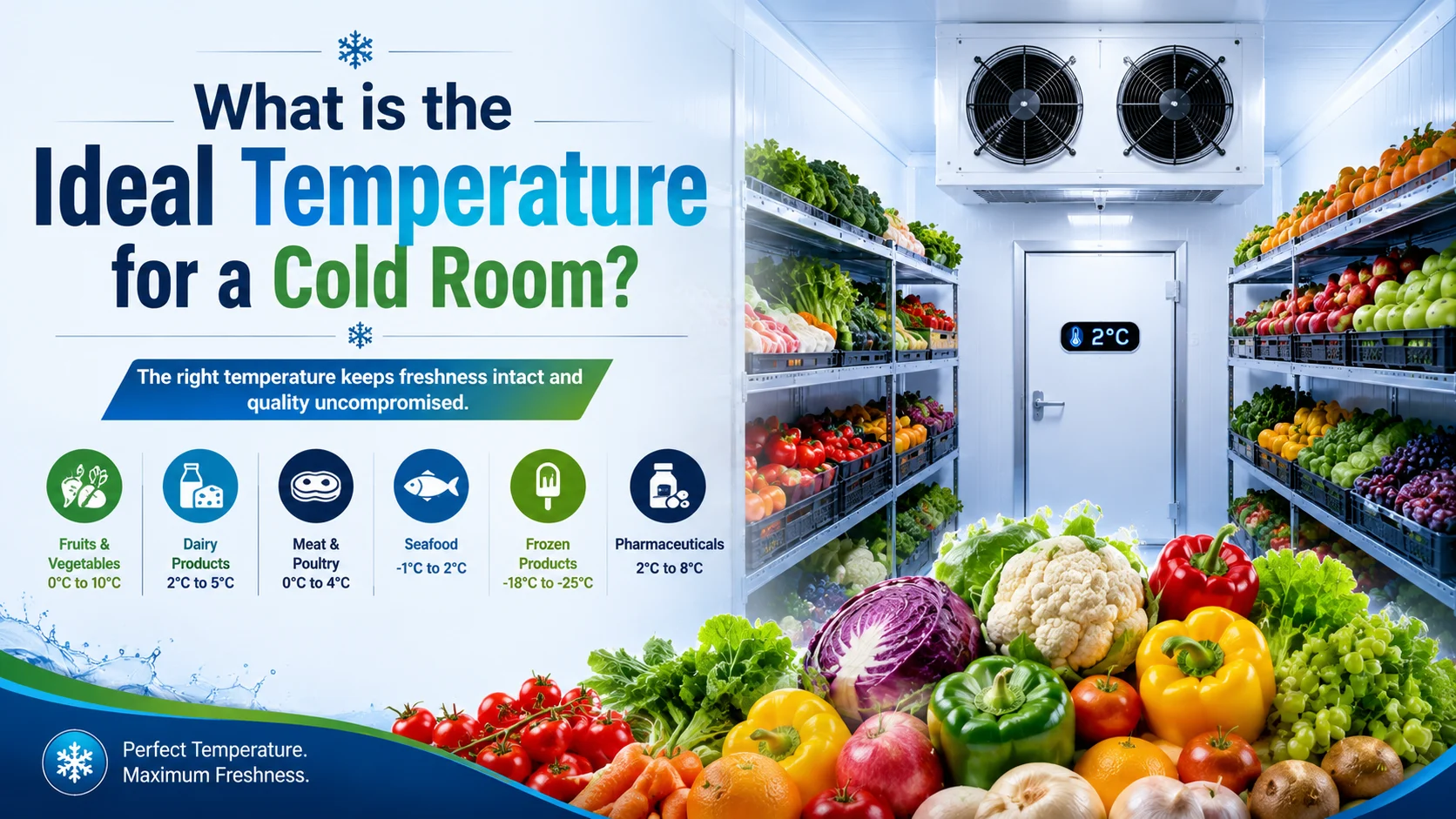
What is the Ideal Temperature for a Cold Room?
E India Connect, a trusted B2B Portal and Marketplace, helps businesses connect with reliable suppliers, manufacturers, and service providers across multiple industries. One of the most important sectors supported by modern storage technology is cold chain management, where maintaining the correct cold room temperature is essential for preserving product quality, safety, and shelf life. Whether storing food products, pharmaceuticals, dairy items, fruits, vegetables, or frozen goods, selecting the ideal temperature can significantly impact product freshness and business profitability.
What is a Cold Room?
A cold room is a temperature-controlled storage facility designed to preserve perishable products by maintaining a specific cooling range. These rooms are commonly used in food processing plants, supermarkets, restaurants, pharmaceutical companies, hospitals, warehouses, and agricultural industries.
Unlike conventional refrigeration units, cold rooms are designed to store larger quantities of products while ensuring consistent temperature distribution throughout the storage area.
The effectiveness of a cold room largely depends on maintaining the correct cold room temperature based on the type of product being stored.
Why is Temperature Important in a Cold Room?
Temperature control is critical because it directly affects product quality, safety, and shelf life. Improper temperature management can lead to spoilage, bacterial growth, product deterioration, and financial losses.
Maintaining the correct cold storage temperature helps:
- Preserve product freshness.
- Reduce microbial growth.
- Extend shelf life.
- Maintain nutritional value.
- Prevent product wastage.
- Ensure compliance with food and pharmaceutical regulations.
For businesses that handle perishable products, understanding what cold storage temperature is required for different applications is essential for successful operations.
What is the Ideal Cold Room Temperature?
There is no single answer because the ideal cold room temperature depends on the product being stored.
Fresh Fruits and Vegetables
Most fruits and vegetables require temperatures between 0°C and 10°C.
Different produce items have different storage requirements. For example:
- Apples: 0°C to 4°C
- Grapes: 0°C to 2°C
- Potatoes: 4°C to 10°C
- Leafy vegetables: 0°C to 5°C
Maintaining the proper cold storage temperature helps retain freshness and reduces spoilage.
Dairy Products
Milk, cheese, butter, and yogurt are typically stored between 2°C and 5°C.
This temperature range prevents bacterial growth and maintains product quality.
Meat and Poultry
Fresh meat and poultry generally require storage temperatures between 0°C and 4°C.
This recommended cold room temperature helps preserve freshness while minimizing the risk of contamination.
Seafood
Fish and seafood are highly perishable products and often require temperatures close to 0°C.
In some cases, crushed ice is used alongside refrigeration to maintain the required cold storage temperature.
Pharmaceutical Products
Pharmaceutical cold rooms commonly operate between 2°C and 8°C.
Vaccines, medicines, and medical supplies often require precise temperature control to maintain effectiveness and safety.
Frozen Products
Frozen foods require much lower temperatures.
Typical frozen storage temperatures range from -18°C to -25°C.
For frozen products, the recommended cold storage temperature is maintained continuously to prevent thawing and product degradation.
Factors Affecting Cold Room Temperature
Several factors influence the efficiency and performance of a cold room.
- Product Type: Different products require different storage conditions. Understanding product-specific requirements is the first step toward selecting the correct cold room temperature.
- Storage Duration: Products stored for longer periods may require stricter temperature control to maintain quality.
- Humidity Levels: Humidity plays an important role alongside temperature. Proper humidity control helps prevent dehydration, shrinkage, and spoilage.
- Door Openings: Frequent opening of cold room doors can cause temperature fluctuations and increase energy consumption.
- Insulation Quality: Good insulation helps maintain stable cold storage temperature levels and improves energy efficiency.
Benefits of Maintaining Proper Cold Storage Temperature
- Improved Product Quality: Products remain fresh, safe, and visually appealing when stored at the correct temperature.
- Reduced Product Loss: Maintaining the recommended cold room temperature minimizes spoilage and wastage.
- Extended Shelf Life: Proper refrigeration helps products stay usable for longer periods.
- Better Regulatory Compliance: Many industries must comply with temperature-related regulations. Accurate temperature management helps meet these standards.
- Increased Customer Satisfaction: High-quality products lead to better customer experiences and stronger business reputation.
Modern Cold Room Monitoring Systems
Today, advanced monitoring systems allow businesses to track and control temperature in real time.
Features often include:
- Digital temperature displays.
- Remote monitoring.
- Automated alerts.
- Data logging.
- Energy management tools.
These technologies help ensure that the desired cold room temperature remains stable throughout storage operations.
Conclusion
Maintaining the ideal cold room temperature is essential for preserving product quality, safety, and shelf life. Whether storing fresh produce, dairy products, pharmaceuticals, seafood, or frozen goods, the correct cold storage temperature ensures optimal storage conditions and minimizes losses.
As a trusted B2B Portal and Marketplace, E India Connect helps businesses connect with reliable cold storage solution providers that offer advanced refrigeration systems for diverse industrial needs. Understanding what cold storage temperature is required for your products can help improve operational efficiency, reduce waste, and support long-term business success in today's competitive market.