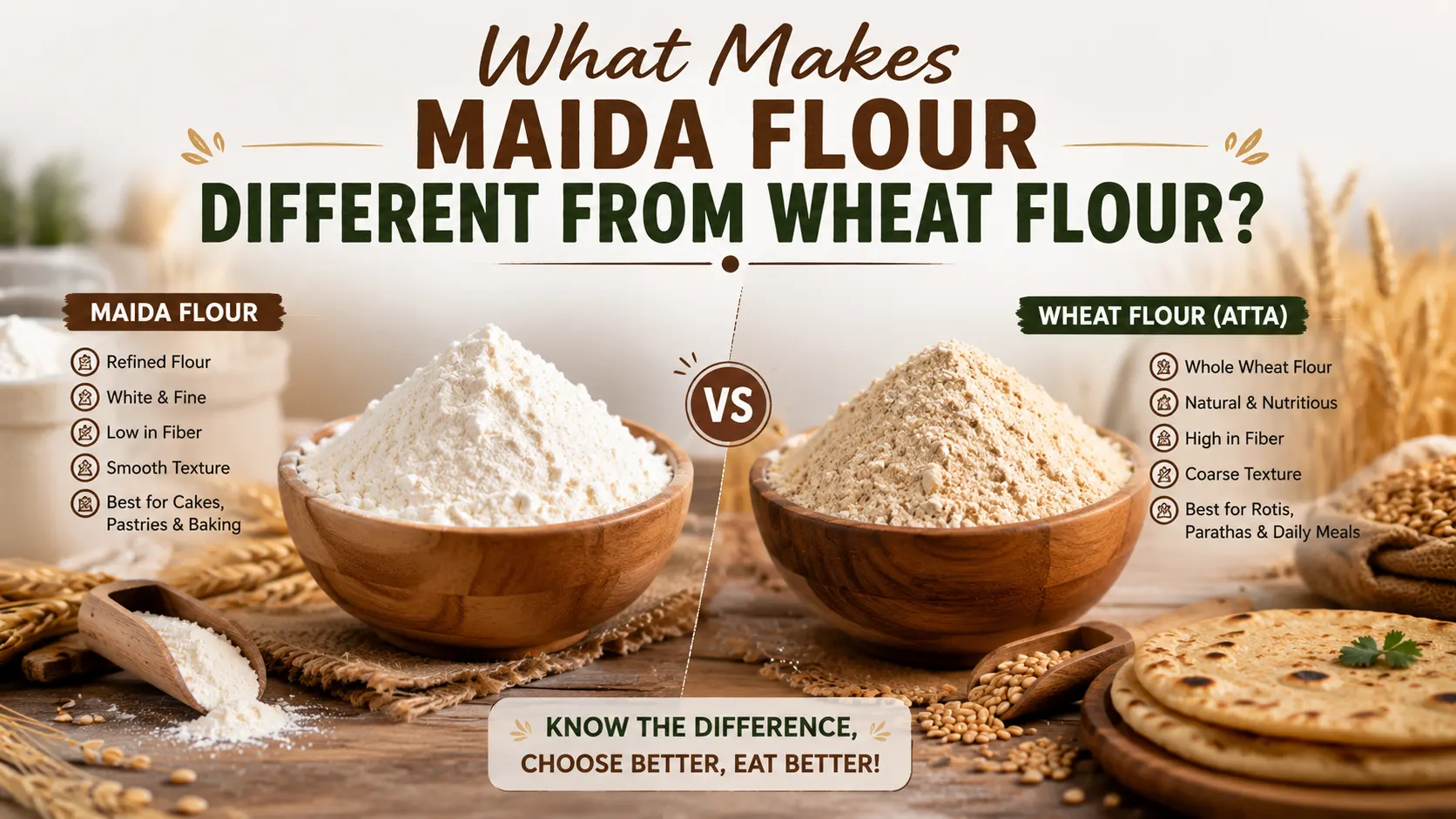
What Makes Maida Flour Different from Wheat Flour?
Flour is one of the most commonly used ingredients in kitchens and food industries around the world. From bread and biscuits to chapatis and pastries, different types of flour play an important role in food preparation. Among the most commonly discussed varieties are maida and wheat flour.
As a leading B2B Portal and Marketplace, E India Connect helps businesses and buyers connect with trusted suppliers from various industries, including food processing and agricultural products. Understanding the distinction between maida and wheat flour can help both consumers and businesses make informed decisions.
What Is Maida Flour?
Maida is a refined flour made from wheat. During the milling process, the outer bran layer and germ are removed, leaving only the starchy endosperm. This refined portion is then finely ground into a smooth, white flour known as maida.
Because of its fine texture and soft consistency, maida is widely used in bakery products such as cakes, pastries, cookies, pizza bases, naan, and other processed foods.
What Is Wheat Flour?
Wheat flour, commonly known as atta in India, is produced by grinding the entire wheat grain, including the bran, germ, and endosperm. Since all parts of the grain are retained, wheat flour contains more nutrients and dietary fiber.
Atta is commonly used for making chapatis, rotis, parathas, and other traditional Indian breads. Its higher fiber content helps support digestion and provides a more nutritious option for daily meals.
Difference between Atta and Maida
1. Processing Method
- Atta: Made by grinding the whole wheat grain, including bran and germ.
- Maida: Made by refining wheat and removing the bran and germ, leaving only the endosperm.
2. Nutritional Value
- Atta: Rich in fiber, vitamins, and minerals.
- Maida: Contains fewer nutrients because it is highly processed.
3. Color and Texture
- Atta: Slightly brown in color with a coarse texture.
- Maida: White in color with a very fine and smooth texture.
4. Health Benefits
- Atta: Supports digestion and keeps you feeling full for longer.
- Maida: Lower in fiber and is generally less filling than atta.
5. Common Uses
- Atta: Commonly used for chapatis, rotis, and parathas.
- Maida: Widely used for cakes, pastries, biscuits, pizza, and bakery products.
Difference Between Maida vs Atta
| Feature | Maida | Atta |
|---|---|---|
| Manufacturing Process | Produced by refining wheat and removing bran and germ. | Produced by grinding the whole wheat grain. |
| Shelf Life | Generally has a longer shelf life due to lower oil content. | Slightly shorter shelf life because it contains the wheat germ. |
| Water Absorption | Absorbs less water and forms softer dough. | Absorbs more water and forms a denser dough. |
| Cooking Applications | Ideal for cakes, pastries, pizza bases, and bakery products. | Commonly used for chapatis, rotis, parathas, and other traditional breads. |
| Satiety Level | May leave you feeling hungry sooner. | Helps keep you full for a longer period due to higher fiber content. |
Maida vs Atta: Which Is Better?
The discussion around maida vs atta often depends on the intended use and nutritional goals.
Atta is generally preferred for daily consumption because it contains more fiber and nutrients. It supports digestive health and provides a more balanced nutritional profile.
Maida, on the other hand, is often chosen for products that require a softer texture and lighter consistency. Bakers and food manufacturers frequently use maida because it creates smooth dough and produces soft baked goods.
Resultant wheat flour is a flour produced from carefully blended portions of the wheat grain during milling. Depending on the milling process, it may retain more nutrients than refined maida while offering a finer texture than traditional whole wheat flour.
Conclusion
Understanding the differences between maida and wheat flour is important for both consumers and food industry professionals. While maida offers a fine texture and versatility for bakery products, atta provides greater nutritional value and is better suited for daily consumption. The discussion of maida vs atta ultimately comes down to nutritional preferences and intended use.
Similarly, comparisons such as resultant wheat flour vs maida highlight the impact of processing methods on flour quality and nutrition. Through its role as a leading B2B Portal and Marketplace, E India Connect continues to offer valuable business connections, helping buyers and suppliers find reliable solutions within the food and agricultural industries.